
What Is a Dental Prosthesis?
A dental prosthesis, often called “prosthesis teeth,” is a custom-made appliance specifically created to replace or repair a single tooth or a full arch of teeth. Discover how dental prosthesis restores dental functionality.
Table of contents
Understanding what a Dental Prosthesis is

Are you considering a dental prosthesis to replace missing teeth or improve your bite and oral health? As dental professionals at Smile24h, we provide all the information you need about dental prostheses and help you determine whether this is the right solution for you. We always recommend choosing one of our Smile24h Expert Clinics worldwide, part of the international ZAGA Centers Network, for your advanced dentistry treatments to ensure the best professional advice and treatment outcomes. A dental prosthesis is a device used to replace missing teeth or support and stabilize existing teeth. Several types of dental prostheses are available, including removable dentures, bridges, crowns, and implant-supported restorations. Dental prostheses offer a range of solutions to restore your smile, bite, and oral health. Below, we explain the main types of dental prostheses available and their differences:
Dentures:
- Removable or fixed (supported by implants) devices designed to replace a significant number of missing teeth or all of them.
- Available as complete dentures (to replace all teeth) or partial dentures (to replace a few teeth).
- Custom-made to fit your mouth and match your natural teeth color.
Dental Bridges:
- Fixed or removable partial dentures fill gaps left by missing teeth and are used when one or a few teeth are missing.
- They are anchored to neighboring teeth or dental implants.
- Help maintain your face’s shape and reduce stress on your bite.
Implant-Supported Prostheses:
- A permanent solution anchored in the jawbone with titanium posts, All-on-4 Dental Implant treatments with their “immediate-loading” technique are a prime example.
- They can replace a single tooth, multiple teeth, or a complete set of teeth. Fixed Dentures and Fixed Bridges, as mentioned before, are also implant-supported prostheses that promote jawbone health and prevent bone loss.
Recognizing When a Dental Prosthesis May Be Needed
Wondering if you might need a dental prosthesis? There are several telltale signs to watch for beyond missing teeth alone. Consider consulting your dentist if you experience:
- Teeth that are cracked, chipped, or noticeably worn down
- Persistent gum irritation, soreness, or bleeding
- Tooth sensitivity or pain during eating or drinking
- Concerns about the color, shape, or overall appearance of your teeth
Addressing these symptoms early can prevent further oral health issues and help preserve both function and aesthetics.
Benefits and Considerations of Dental Implants:
Implants aren’t just a marvel of modern dentistry—they’re a game-changer for anyone looking to restore both function and confidence. The primary advantage? Once placed, these titanium “roots” actually bond with your jawbone, creating a sturdy foundation that can outlast most other dental solutions. Over time, dental implants help maintain jawbone health and prevent the bone loss often seen with traditional dentures or bridges. But, as with any procedure, there are a few things to keep in mind. Implants are renowned for their long-term durability and their ability to blend beautifully with natural teeth. However, they’re not entirely without potential hiccups. Some patients may encounter issues such as:
- Occasional loosening of the screws holding parts together
- Rare cases of bonding material weakening
- Chipped or fractured porcelain crowns
- Sensitivity or changes in the tissues or bone supporting the implant
Cost is also a factor, and a certain amount of healthy bone is required to ensure a successful fit. Overall, when properly placed and cared for, dental implants offer a long-lasting, reliable solution that can transform both your smile and your oral health.
How the Dental Implant Process Works:
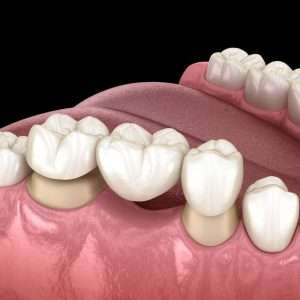
Getting a dental implant is a step-by-step journey to a healthier, more confident smile. Typically, it unfolds like this:
- First, the dentist places a small titanium post directly into your jawbone. This acts as the sturdy “root” for your new tooth.
- Next comes the abutment—a connector that’s attached after your jawbone has healed and integrated with the implant. Sometimes, if bone health permits, the abutment is placed immediately; other times, it may be placed after a healing period.
- Finally, a custom-made crown is securely fixed atop the abutment, blending seamlessly with your natural teeth.
This process not only restores function and aesthetics but also helps maintain the underlying bone structure, ensuring your new smile stands the test of time.
Types of Dental Prosthesis
When it comes to prostheses, several factors must be considered, including the number of missing teeth, the location, and your overall oral health. For example, if you have lost all your teeth, a full-arch bridge supported by dental implants may be the best option, as it provides a permanent, secure solution that can improve your bite and restore your smile. Unlike fixed dentures, removable dentures are prosthetic devices consisting of artificial teeth set into a plastic or acrylic base that fits over the gums. You can use them to replace a full arch of teeth or just a few missing teeth, and you can have them custom-made to fit your mouth and match the color of your natural teeth. They are a good option for people who have lost all or many of their teeth, as they help restore their bite and improve their oral health.
As an alternative, dentists can cement dental bridges to existing teeth or use dental implants as tooth roots to make the bridges fixed prosthetic devices. Bridges consist of one or more false teeth, called pontics, attached to dental crowns on either side. The dentist places crowns on the remaining natural, healthy teeth to anchor the bridge. They fill gaps left by missing teeth and provide a more permanent solution than removable devices. Implant-supported bridges can improve the appearance of your smile, restore proper chewing, and prevent your remaining teeth from shifting.
Implant-supported Prosthesis
For implant-supported prostheses or fixed prosthetic devices, surgeons place poles, mostly made of titanium but also available in materials like ceramic or zirconium, into the jawbone to act as artificial tooth roots. These implants support prosthetic teeth, such as crowns, bridges, or fixed dentures, by providing a solid foundation for attachment. Implant-supported prostheses are known for their durability, stability, and natural appearance. They not only provide a strong foundation for the prosthetic teeth but also help prevent bone loss in the jaw. This can be especially beneficial for patients who have lost multiple teeth and are at risk of further jawbone deterioration.
Comparing the Costs: Dental Implants vs. Dentures
When weighing your options, it’s natural to consider the financial side. Dental implants, while offering a long-lasting and natural-feeling solution, typically come with a higher initial investment. On average, a single dental implant—including the implant, abutment, and crown—ranges from $3,000 to $6,000, depending on your specific needs and location.
By contrast, traditional dentures generally cost less upfront. Complete upper or lower dentures typically cost around $1,600. However, it’s important to note that dentures may require adjustments or replacement over time, whereas implants are designed to last, potentially making them more cost-effective in the long run.
Your dentist can help you understand which option best fits your goals, budget, and oral health, while keeping both short-term expenses and long-term benefits in mind.
Potential Complications of Dental Crowns
While dental crowns are a reliable choice for restoring damaged or weakened teeth, they aren’t completely free of risk. Over time, a crown may develop a crack or chip from normal wear or accidental impact. Additionally, the adhesive that secures the crown can gradually wear away, creating small gaps where bacteria can enter and cause decay or infection beneath the crown. Other possible issues include:
- Sensitivity: You might notice increased sensitivity to hot or cold foods if the crown doesn’t perfectly seal the underlying tooth.
- Loose Fit or Dislodgement: Chewing sticky foods or normal wear and tear can sometimes loosen a crown, which may ultimately require replacement or adjustment.
- Allergic Reactions: Although rare, some people may be allergic to the metals or materials used in certain crowns.
With proper oral hygiene and regular dental checkups, you can help prevent many of these problems and keep your crown in tip-top shape.
In a nutshell
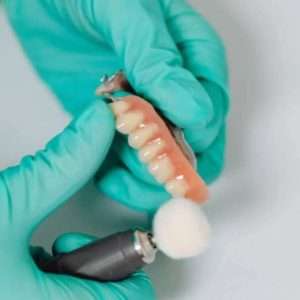
Overall, dental prostheses are a safe and effective option for restoring your smile, tooth function, and oral health. At the same time, fixed prostheses provide a permanent, natural-looking solution that can help preserve the jawbone and improve oral health. It is important to consult with a dentist to determine the best type of prosthesis for your specific needs and to ensure proper fit and function. With the right dental prosthesis, you can regain confidence in your smile and enjoy better overall oral health. Please don’t hesitate to ask if you have any questions or concerns about dental prostheses. Whether you’re looking to replace one missing tooth or multiple teeth or improve your bite and oral health, dental prostheses may be the solution you’ve been looking for.
Lifespan and Care of Dental Crowns
When considering dental crowns as a prosthetic option, a common question is how long they last. Dental crowns are designed to be a long-term solution, with most lasting anywhere from 5 to 15 years—and in many cases, even longer—with good oral hygiene and regular dental checkups. However, crowns aren’t invincible. They can develop small cracks or chips, and over time, the adhesive that keeps the crown in place may weaken. When this happens, it can create a pathway for bacteria and increase the risk of tooth decay beneath the crown, so a bit of diligence goes a long way. To help your crown stand the test of time, treat it as you would your natural teeth:
- Brush your teeth twice a day with a soft-bristle toothbrush.
- Floss daily, paying special attention to the gumline.
- Avoid chewing on hard objects (like ice or hard candies) that could damage the crown. Schedule regular visits with your dentist to check for any signs of wear or trouble.
With proper care, your dental crown can be a reliable, natural-looking part of your smile for years to come.
Discover the Ideal Dental Prosthesis For You With Our Experts

Don’t let missing teeth hold you back from smiling confidently and enjoying your favorite foods. Consider dental prostheses as a viable solution to restore your smile and improve your overall quality of life. Our team of dental experts is here to guide you through the process and answer any questions you may have. Don’t hesitate to take the first step towards a healthier, happier smile today. In addition to their functional benefits, implant-supported prostheses also offer aesthetic advantages. The prosthetic teeth are custom-made to match your natural teeth’s color, shape, and size, resulting in a seamless and natural-looking smile.
Apart from the specialist doctor who will carry out the surgery, an expert prosthodontist, the professional in charge of designing the new prosthetic teeth, will design your new smile by your side and receive all your insights and expectations; finally, a technician will create the denture itself for your use. To ensure you receive the highest standard of care and achieve the best possible outcomes with dental prostheses, consider consulting the Smile24h Expert Dental Clinic near you. At Smile24h, we work exclusively with Certified ZAGA Center doctors. These doctors specialize in advanced dental prosthetic solutions, including implant-supported prostheses, and are recognized for their excellence in patient care and innovative treatment approaches.
ZAGA Professionals
Certified ZAGA Doctors are trained professionals who not only excel in the implementation of dental prosthesis but also take a personalized approach to each patient’s needs, ensuring every treatment plan is tailored to maximize oral health and aesthetic outcomes. By choosing a ZAGA Center for your dental prosthesis needs, you’re not just getting a solution for missing teeth but investing in a comprehensive care approach that prioritizes your overall well-being, comfort, and satisfaction. Embrace the opportunity to restore your smile and confidence with the expertise of Certified ZAGA Doctors, where innovative technology meets compassionate care.
What is a dental prosthesis?
A dental prosthesis is a custom-made dental appliance designed to replace missing teeth or parts of teeth, as well as to restore missing soft or hard structures of the jaw and palate. It aims to rehabilitate chewing function (mastication), improve aesthetics, and aid speech.
What types of dental prostheses are available?
In short, the main types of dental prostheses available are:
Bridges: Fixed or removable appliances that replace one or more missing teeth by being anchored to adjacent teeth or implants.
Dentures: Complete Dentures: Replace all teeth in an arch (upper or lower) or Partial Dentures: Replace some missing teeth when others remain.
How do dental prostheses improve oral health?
Dental prostheses can restore your smile, bite, and oral health.
What is the role of implant-supported prostheses?
Implant-supported prostheses are known for their durability, stability, and natural appearance. They not only provide a strong foundation for the prosthetic teeth but also help prevent bone loss in the jaw.
Why is it important to consult with a dentist about dental prostheses?
It is important to consult with a dentist to determine the best type of prosthesis for your specific needs and to ensure proper fit and function.