
What are Dental Implants? Types, Cost & all you need to know
With our comprehensive guide, you will understand exactly what dental implants are and the types available to meet your needs. Get completely informed and start your dental implant journey with the best experts in your area.
Table of Contents
What is a Dental Implant?
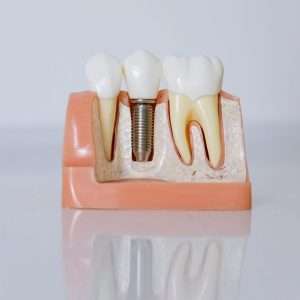
A dental implant, essentially a post, typically made of titanium or similar materials, is surgically inserted into the jawbone to serve as the root for a missing tooth, providing a solid base for artificial teeth. This procedure, part of dental implant surgery, aims to replace missing teeth with an artificial root and prosthesis that feel and function like natural teeth. The most widely used type of implant is the endosteal implant. It is the preferred option due to its reliability and compatibility with the human body, especially for individuals maintaining good oral hygiene and with a healthy jawbone.
The journey to receiving dental implants begins with a comprehensive treatment plan tailored by a specialized doctor to address each patient’s oral health and the specifics of their missing teeth. This plan outlines the steps for preparing the jawbone, placing the implant, and the healing process that allows the implant to fuse securely with the bone, completing the treatment with the placement of the definitive set of prosthetic teeth. Unlike removable dentures or bridges, which may shift or cause discomfort, dental implants provide a permanent solution to tooth loss and remain anchored in place.
Artificial teeth anchored firmly allow normal chewing and speaking without irritating the gum tissues surrounding the implant site. The success of dental implants, as reported by the American Academy of Implant Dentistry, underscores their effectiveness in restoring oral function and aesthetics, with high patient satisfaction. Endosteal implants, in particular, have garnered acclaim for their ability to integrate with the bone structure, offering a stable, long-lasting solution to replace missing teeth and support artificial tooth options that mirror the look and feel of natural teeth.
How Do They Work?
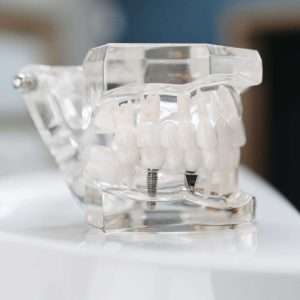
Once the implant is placed into the jawbone during the surgery, there’s a subsequent healing period during which the implant will fuse with the bone. This process, called osseointegration, takes 3 to 6 months and is vital to the long-term success of the implants, helping prevent implant failure. On the other hand, if osseointegration is incomplete or is complicated, the implant will not be fully integrated with the bone, increasing the risk of movement, fracture, or dislodgement.
Note that the success of the treatment depends on the expertise of the surgeon who performed the surgery. For that reason, at Smile24h, we always recommend choosing one of our Smile24h Expert Clinics, which are part of the International ZAGA Network of experts in advanced implantology.
Types of Implants Depending on Your Needs
- Mini Implants: Mini implants are smaller than traditional implants and are often used when the space for tooth replacement is limited. They are also a good option for securing lower arch dentures.
- Endosteal Implants vs. Subperiosteal Implants: Endosteal implants, often referred to as traditional implants, are the most widely used type. They are placed directly into the jawbone, serving as a solid base for artificial teeth, and are suitable for patients with adequate bone density. Subperiosteal implants, on the other hand, are positioned on top of the jawbone but beneath the gums. They are ideal for patients with insufficient bone height who are unable to undergo bone augmentation.
- Pterygoid Implants: These implants are placed in the pterygoid plate of the sphenoid bone, located in the upper jaw behind the maxillary sinus. Pterygoid implants are used when there’s insufficient bone in the upper jaw, eliminating the need for bone grafting.
- Nasal Implants: Nasal implants are used for patients with insufficient bone height in the upper jaw. They are placed on the nose floor, providing an alternative to more complex procedures.
- Zygomatic Implants: Zygomatic implants are longer than traditional implants and are anchored in the zygomatic bone. They are used when a patient has insufficient or no bone in the upper jaw and offer an alternative to complex bone grafting procedures.
Benefits of Dental Implants

Teeth or tooth implants offer several benefits, including preserving the jawbone, improving oral health, and providing a stable, long-lasting solution for missing teeth. They also improve your bite and reduce the risk of tooth decay and gum disease.
The Procedure
The dental implant procedure involves several stages. First, the dentist will conduct a thorough examination to determine the type of implant that best suits your dental needs and will organize the treatment planning. The implant is then surgically placed in the jawbone. After a healing period, in which the implant fuses with the bone, which can last between 3 and 6 months, an impression of your mouth and remaining natural teeth is taken to create a custom-made dental prosthesis, which is then attached to the implant abutment. For more information on the time required for dental implant surgeries, please see our dedicated post.
Dental Implant Failure and Care
While dental implants have a high success rate, factors such as poor oral hygiene, improper care, or underlying health conditions can lead to implant failure. Remember, dental implants require the same care as natural teeth, including brushing and flossing to ensure a successful outcome. Regular dental visits are also essential for the long-term success of the implants. If you want to learn more about the risks of dental implants or the success rate of dental implants, don’t miss our FAQ’s about them!
How Much Do They Cost?
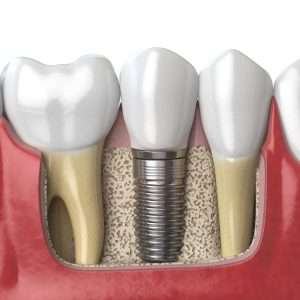
The cost of dental implants varies based on the implant type, procedure complexity, number of implants, placement location, and other factors. It’s essential to discuss costs with your dental care team and confirm whether your insurance covers the procedure. Know all the factors that will influence the final price of your dental implant treatment here!
Are You a Candidate for Implants?
Candidates for traditional implants should have good oral health and sufficient bone density to support the implant; if not, alternatives such as zygomatic implants may be an option. If you’re considering dental implant surgery, consult our post “Can Anyone Get Fixed Dentures?“to determine if you are a suitable candidate for the type of dental implant treatment.
Conclusion

Dental implants offer a permanent, natural-looking solution for missing teeth. Whether you’re looking to replace a single tooth or multiple teeth, dental implants might be the solution you’ve been looking for. Reach out to us for more information.
Bibliography
- “Types of Dental Implants” American Academy of Implant Dentistry.
- “Osseointegration and Dental Implants” NCBI.
- “Dental Implant Procedure” WebMD.
What is a dental implant?
A dental implant, typically a post made of titanium or similar material, is surgically inserted into the jawbone to serve as the root for a missing tooth, providing a solid base for artificial teeth.
How do dental implants work?
Once the implant is placed into the jawbone during the surgery, there’s a subsequent healing period during which the implant will fuse with the bone. This process, called osseointegration, takes 3 to 6 months and is vital to the long-term success of the implants, helping prevent implant failure.
What types of dental implants are available?
Mini Implants, Endosteal Implants vs. Subperiosteal Implants, Pterygoid Implants, Nasal Implants, Zygomatic Implants.
What are the benefits of dental implants?
Teeth or tooth implants offer several benefits, including preserving the jawbone, improving oral health, and providing a stable, long-lasting solution for missing teeth.
How much do dental implants cost?
The cost of dental implants varies based on the implant type, procedure complexity, number of implants, placement location, and other factors.
Are you a candidate for dental implants?
Candidates for traditional implants should have good oral health and sufficient bone density to support the implant; if not, other alternatives like zygomatic implants can be an option.