
Dental Implant Success Rate: What You Need to Know
Explore the key factors contributing to the impressive dental implant success rate, highlighting their durability and superiority in tooth replacement. This concise guide delves into professional expertise, implant design, and the essential role of oral hygiene in ensuring implant longevity. Gain insights into making informed decisions about dental implants, a reliable solution for restoring smiles and dental health.
Table of Contents
Introduction: Why the Dental Implant Success Rate is Crucial for Your Oral Health
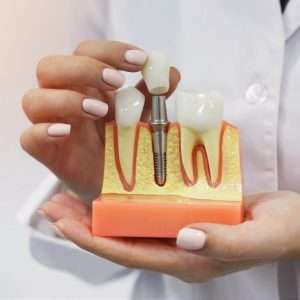
Dental implants have proven to be an excellent solution for people with missing teeth, with a success rate often exceeding 95%. While these numbers are encouraging, it’s essential to understand the factors that help dental implants last longer and reduce implant failure rates. This guide provides a detailed look at the factors affecting dental implant and tooth implant success rates, emphasizing scientific research and data.
Dental Implants: A Leap Beyond Conventional Methods
Dental implants offer superior advantages over tooth-replacement options, such as dental bridges and removable dentures. They look and feel like natural teeth and are designed to match your existing teeth perfectly. In addition to their aesthetic benefits, titanium implants offer robustness, longevity, and hypoallergenic properties, which increase their success rate compared to other materials.
Unpacking the High Success Rate of Dental Implants

The high success rate of dental implants makes them a top choice for replacing missing teeth. Research has shown that maintaining good oral hygiene and dental care significantly increases the likelihood of long-term success for dental implants, allowing them to last for many years.
Key Factors That Contribute to High Success Rates
Several factors contribute to the success of dental implants, including implant size, placement, the implant system used, and the patient’s dental needs. Osseointegrated implants are considered the standard in modern dentistry due to their high success rates and durability. That is because osseointegrated dental implants, which fuse directly to the bone, generally demonstrate higher stability than fibrointegrated implants.
Fibrointegration of implants occurs when the implant is surrounded by a layer of fibrous connective tissue that separates it from the bone, reducing its stability compared with direct bone-to-implant attachment. Moreover, consider that materials matter: researchers have found that titanium implants are highly durable, increasing longevity, typically do not elicit an immune response, and bond well with human bone. However, alternatives to titanium include zirconia for those with allergies or who prefer a different material.
Implant Dimensions: How Diameter and Length Factor In
Implant dimensions, particularly diameter and length, are essential for long-term implant success. Ensuring the implant matches the patient’s anatomy reduces the risk of implant failure.
Surgical Precision: The Importance of Accurate Implant Placement
The precise placement of the implant within the jawbone is a critical determinant for long-term success. Poorly executed dental implant placement can lead to various complications, including implant loss and higher failure rates. Engaging a dental professional with advanced expertise in dental implant surgery is crucial because proper implant placement is vital to reducing the risk of implant failure. This is the main reason why, at Smile24h, we always recommend choosing one of our Smile24h Expert Clinics, where Certified ZAGA Doctors, known for being experts in advanced implantology, will address your concrete needs and craft tailor-made solutions to deliver the best outcomes, always aligned with the ZAGA Concept and its “patient-first” approach.
Identifying Risk Factors for Dental Implant Failure
Although dental implants have a high success rate, early implant failure can occur in certain situations due to specific risk factors. Some of the causes are poor dental hygiene, smoking, or having existing conditions like gum disease or bone loss. Periodontal disease is another significant risk factor that can adversely affect the success rate of dental implants. This problem can lead to swelling and infection near the implant, a common cause of implant failure. Learn more about preventing risks associated with dental implants in this article.

Oral Hygiene—The Backbone of Long-Term Implant Success
Maintaining good oral hygiene is crucial for the long-term success of dental implants. Patients should consistently practice good oral hygiene before the implant procedure, as poor oral health can significantly affect the success of the surgery. After the implant is placed, regular dental visits are essential to prevent infection and manage periodontal disease around the implant.
Conclusion: Your Roadmap to Successful Dental Implants

Dental implants offer a reliable, durable solution for those with missing teeth. Research strongly supports high success and survival rates, but it’s crucial to grasp the factors that impact them. These include the implant system type, surgical technique, and post-surgery care and maintenance requirements. To get the best results from surgery, it’s not just about the procedure. It also depends on maintaining good oral health before and after treatment, making healthy choices, and having a skilled dentist.
Having complete information can significantly increase the likelihood that your dental implants will serve you well for many years. Consider all factors to decide if dental implants are right for you. The main goal is to improve your smile and dental function for the long term, and understanding dental implants can help you achieve it.
Frequently Asked Questions About Dental Implant Success and Failure
What is the success rate of dental implants?
Dental implants have proven to be an excellent solution for people with missing teeth, with a success rate often exceeding 95%. While these numbers are encouraging, it’s essential to understand the factors that help dental implants last longer and reduce implant failure rates.
What Factors Affect the Success Rate of Dental Implants?
Dental implants generally have good success rates. However, the outcome can vary based on factors such as the type of implant used or the dentist’s skill level. Additionally, the patient’s overall health can affect the success rate of dental implants. Pre-existing conditions, such as diabetes or periodontal disease, can also significantly affect the implant’s healing process and success rate. Furthermore, researchers have linked lifestyle choices such as smoking to a higher risk of implant failure.
Can Dental Implants Last a Lifetime?
Dental implants typically last for decades or longer with proper care. However, just like natural teeth, dental implants are not invincible. Wear and tear, poor oral hygiene, and certain habits, such as teeth grinding, can significantly affect the longevity of your implants. Diligent oral hygiene, including regular brushing, flossing, and mouthwash, is essential to boosting their longevity. Additionally, scheduling regular dental check-ups and cleanings will help detect and prevent potential issues early, ensuring the implants last as long as possible.
What is the Failure Rate of Dental Implants?
Though dental implants boast high success rates, failure is not entirely out of the question. The failure rate of dental implants varies among patients. Different factors can influence this rate. Various clinical studies have highlighted the factors mentioned before, like smoking, poor oral hygiene, or an imprecise surgical technique.
Can Failed Dental Implants be Replaced?
Patients can often replace failed implants. However, the new procedure may require additional steps. These steps could include bone grafting to ensure the doctor places the implant securely. Your dentist will carefully examine the cause to prevent it from happening again. In case patients experience multiple failed implants, zygomatic implants offer a restoration option without the need for bone grafting. These implants are anchored in the denser maxillary bone, providing the stability needed for the implants to integrate and support replacement teeth. Zygomatic implants are typically considered a last resort, chosen just when other methods are not viable.
Are Dental Implants Suitable for Everyone?
Dental implants are available in various types and sizes, and most people are candidates for the procedure. However, certain conditions and risk factors may preclude some individuals from receiving implants immediately. In such cases, preliminary treatments such as periodontal disease management or bone grafting may be necessary.
How do Dental Implants Feel?
The dental implant, a metal screw embedded in the jawbone, is not felt because it lies beneath the gums and anchors the prosthetic teeth securely. Although the implants lack nerve endings and do not transmit sensations like natural teeth, the surrounding gum tissues and bone structure can still transmit pressure sensations during chewing, making the implants feel integrated and natural. The prosthetic teeth attached to these implants are crafted to emulate the look and function of natural teeth. Once the implant and prosthetic structure have settled and healed, they should feel comfortable and natural in the mouth. Therefore, after the adjustment period, most people find dental implants as comfortable as natural teeth, allowing for normal function without discomfort.
Bibliography
- Smith, D.E., & Zarb, G.A., “Criteria for success of osseointegrated endosseous implants” 1989.
Abstract: The study outlines the criteria necessary for the successful application of osseointegrated endosseous implants in dental treatment. - Albrektsson, T., Zarb, G., Worthington, P., & Eriksson, A. R., “The long-term efficacy of currently used dental implants: a review and proposed criteria of success” 1986.
Abstract: This review paper proposes new criteria for assessing the long-term success of dental implants. - Esposito, M., Hirsch, J. M., Lekholm, U., & Thomsen, P., “Biological factors contributing to failures of osseointegrated oral implants. (I). Success criteria” 1998.
Abstract: The article delves into the biological factors that can affect the success of osseointegrated oral implants, laying down criteria for evaluating implant success.