
What Is a Complete Denture?
Full dentures are dental appliances designed to replace an entire arch of missing teeth, providing a solution for individuals who have lost many or all of their natural teeth. Unlike partial dentures, which only replace a few teeth, complete dentures replace the entire set of teeth from the lower or upper jaw. This guide will introduce you to complete dentures, their benefits, the process of getting them, and how they can help restore your smile, allowing you to eat, chew, and speak confidently.
Table of contents
How Do Complete Dentures Work?
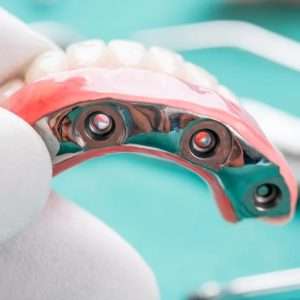
Teeth play a critical role in our daily lives, from aiding in digestion to supporting our facial structure. Losing teeth can significantly affect one’s quality of life, making eating, speaking, and maintaining self-confidence difficult. Complete dentures replace missing teeth, restoring function and aesthetics similar to natural teeth. Complete dentures can be either removable, held in place by suction or adhesives, or fixed, supported by dental implants, depending on the individual’s preferences, needs, and oral health.
Furthermore, complete dentures replace a full arch of missing teeth in cases of significant tooth loss, unlike partial dentures, which replace one or a few missing teeth and typically attach to the remaining natural teeth with clasps or precision attachments. By anchoring onto dental implants, complete dentures provide support and stability. This distinction is crucial for those assessing their options after tooth loss, ensuring they choose a solution that best fits their situation.
Types of Complete Dentures Depending on Your Needs
- Removable: Patients can take out these traditional “false teeth” for cleaning. They rest on the gums, and the person holds them in place through suction and, sometimes, with the help of specific adhesives.
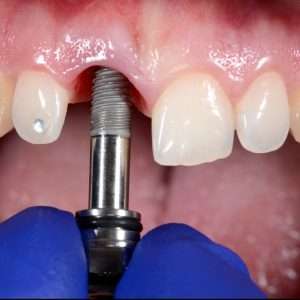
- Implant-Supported (Complete Fixed Dentures): Dentists anchor these to dental implants surgically placed in the jawbone, which serve as the teeth’s roots and provide a more secure fit. They more closely mimic natural bite force and don’t require nightly removal for cleaning.
Benefits, Limitations, and Lifestyle Adjustments
Benefits:
- Both removable and fixed dentures restore your ability to eat, chew, and speak more naturally.
- They enhance appearance and support facial muscles, helping prevent sagging.
- You can customize them to match the natural color of gums and teeth.
- Fixed dentures help maintain healthy jawbone density because the implant stimulates bone growth, serving as a tooth root. On the other hand, removable dentures can cause bone loss in the jaws over time.
Limitations and Adjustments:
- Initially, getting used to speaking and eating with them may take some time.
- If you choose removable complete dentures, you should clean them daily and remove them at night for proper maintenance.
- Implant-supported dentures offer a more stable solution but require a surgical procedure and are more expensive.
Choosing Between Removable and Implant-Supported Ones

Your dentist will consider several factors, including your jawbone’s health, lifestyle, budget, and personal preference, to recommend the best type of denture. While removable dentures are more cost-effective and less invasive, implant-supported dentures offer superior stability and better mimic natural teeth. Dentists used to make false teeth, properly called prosthetic teeth, for both types, made from porcelain or acrylic resin, so the denture teeth matched the look of natural teeth. For those considering implant-supported dentures, at Smile24h, we always recommend choosing one of our Smile24h Expert Clinics.
Consulting with Certified ZAGA Doctors from our Expert Clinics is highly recommended. ZAGA Centers specialize in advanced dental implantology, focusing on the zygomatic implant technique, which is an excellent option for patients with significant bone loss who might not otherwise be candidates for traditional implants. For those considering implant-supported dentures, we highly recommend consulting with Certified ZAGA Doctors at our Smile24h Expert Clinics. Specializing in advanced dental implantology, ZAGA Centers provide personalized and patient-friendly solutions for complex cases. Their expertise ensures patients receive the best care tailored to their unique anatomical requirements and personal needs.
The Process of Getting Complete Dentures
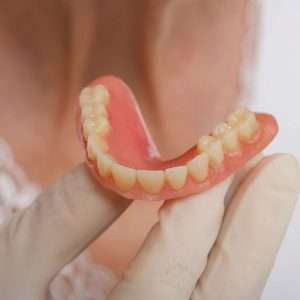
Typically, getting “false teeth” involves several appointments. Your dentist will take precise measurements of your mouth and discuss customization options to ensure a comfortable fit and natural look. Additional appointments will be necessary for implant-supported dentures and implant placement and healing.
Maintenance and Care
For Removable Ones:
- Daily brushing and rinsing are essential to remove food particles and prevent bacterial growth.
- To maintain their shape and hygiene, you should soak them overnight in water or a specialized cleaning solution.
For Implant-Supported Ones:
- Regular brushing and flossing around the implants are crucial to prevent gum disease and ensure the dentures’ longevity.
Cost Considerations and Insurance

The cost of complete dentures varies widely depending on the type, materials used, and additional procedures needed. It’s important to discuss coverage options and out-of-pocket expenses with your dentist and insurance provider. At the same time, please review our post on the approximate cost of dental implants.
Conclusion
Complete dentures, both removable and fixed, can significantly improve the quality of life for those who have lost their natural teeth. They provide a functional and aesthetic solution. By understanding dentures’ types, benefits, and care requirements, you can make an informed decision that best suits your needs and lifestyle.
What is a complete denture?
Full dentures are dental appliances designed to replace an entire arch of missing teeth, providing a solution for individuals who have lost many or all of their natural teeth.
How do complete dentures work?
Complete dentures replace missing teeth, restoring function and aesthetics similar to natural teeth. Complete dentures can be either removable, held in place by suction or adhesives, or fixed, supported by dental implants, depending on the individual’s preferences, needs, and oral health.
What are the types of complete dentures?
Removable: Patients can take out these traditional “false teeth” for cleaning. They rest on the gums, and the person holds them in place by suction, sometimes with the help of specific adhesives. Implant-Supported (Complete Fixed Dentures): Dentists anchor these to dental implants surgically placed in the jawbone, which serve as tooth roots and provide a more secure fit.
What are the benefits and limitations of complete dentures?
Both removable and fixed restorations restore your ability to eat, chew, and speak more naturally. They enhance appearance and support facial muscles, helping prevent sagging. You can customize them to match the natural color of gums and teeth.
What is the process of getting complete dentures?
Typically, getting “false teeth” involves several appointments. Your dentist will take precise measurements of your mouth and discuss customization options to ensure a comfortable fit and natural look.