
Real Causes of Jawbone Loss, Prevention Tips & Solutions
Jawbone loss is a silent but serious condition that weakens the foundation of your teeth, often leading to tooth loss, facial changes, and reduced chewing ability. It commonly results from poor oral hygiene, periodontal disease, missing teeth, or long-term denture use. The good news is that with early awareness and the right dental care, jawbone loss can be prevented, managed, and in some cases, slowed or stabilised.

Dental 3D models representing an atrophic maxilla vs a healthy jawbone
Table of Contents
What is Jawbone Loss?

A healthy smile without strong teeth is like a house without a foundation. It soon crumbles with disastrous effects like tooth loss, inability to eat, and low social confidence. This makes it critical to maintain healthy jawbones and prevent bone loss around your teeth and gums. Yet, sometimes, issues like consistently poor oral hygiene, gum infections, prolonged denture use, underlying diabetes, osteoporosis, etc., do cause bone loss. The solution?
Here’s the good part—bones may break, but knowledge can rebuild them. Understanding the causes of bone loss and how to prevent it can help keep your smile strong for years to come.
Jawbone loss or maxillary atrophy is usually the result of lost teeth or some gum problem. For example, when a missing tooth is not replaced with a dental implant, which acts as natural tooth roots and stimulates the jawbone, the bone begins to deteriorate over time. That’s why a lot of patients who have used removable dentures or bridges for a long time suffer bone loss in their jaws.
The Real Causes of Bone Loss in the Jaws
Bone loss in the jaw doesn’t happen overnight—it’s a slow and silent thief, taking away volume and density little by little. Let’s look at the diverse reasons that may cause loss of jawbone:
Gum infection or Periodontitis
Gum infections are a major threat to oral health. Poor hygiene and frequent consumption of sugary, sticky foods allow bacteria to build up between teeth, leading to inflamed gums — the first step toward bone loss.
Early signs include gum bleeding, bad breath, tooth sensitivity, and uncomfortable deposits on the teeth.
Tooth Loss
Losing a tooth is no big deal. Or is it?
The jawbone is like a muscle—without use, it starts to shrink. When you chew, the roots of your teeth send signals to your bones, stimulating them to keep the jawbone healthy. Losing a tooth reduces the stimulation that initiates bone loss, like an abandoned building slowly deteriorating.
Prolonged Denture Use
Dentures are the oldest and most popular option for tooth replacement. While they support your daily functions of eating, speaking, and smiling diligently, you’ll often find yourself getting your dentures refitted or remade every 6-10 years.
Why does that happen? Dentures sit on the gums. Over time, their pressure and constant rubbing against the gums cause wear and tear of the jawbone underneath. As the bone shrinks, dentures become loose, leading to sore spots, discomfort, and difficulty eating.
Underlying Health Conditions
Diseases like diabetes, vitamin D deficiency, osteoporosis, etc., are known to cause deterioration of the jawbone, loose teeth, and persistent gum infection.
Medication
Certain medicines can cause bone loss as a side effect. Head and neck cancer treatments like radiotherapy and chemotherapy may result in rampant bone loss.
Bone Loss in The Jaw
Bone Loss of The Upper Jaw
The upper jawbone (maxilla) is naturally softer than the lower jawbone, which makes it more susceptible to shrinkage after tooth loss. Here’s what accelerates maxillary bone loss:
- Multiple teeth loss
- Complete dentures
Sinus expansion—When the upper back teeth are missing, the localised bone loss causes sinus expansion, further reducing bone volume. This is why many patients need sinus lifts before getting dental implants in the upper jaw.
Bone Loss of The Lower Jaw
- Multiple teeth loss
- Complete dentures
- Removable partial dentures
- Higher incidence of gum diseases
- Sunken face appearance—Advanced bone loss in the lower jaw can cause the chin to appear closer to the nose, giving a typical pointed ‘witch’s chin’ appearance.
5 Solutions to Bone Loss
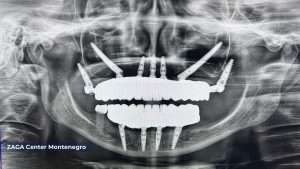
Luckily, bone loss isn’t a one-way street. With the right preventive strategies and timely dental care, further deterioration can be slowed, controlled, and, in some cases, partially reversed. Bone loss often develops gradually, making it easy to ignore until noticeable changes occur — such as shifting teeth, gum recession, or facial collapse. Here are the best ways to prevent bone loss and safeguard your smile:
Zygomatic Implants
Unlike traditional implants that are placed in the jawbone, zygomatic implants anchor in the cheekbone (zygomatic bone), which remains strong even after jawbone loss. They help avoid additional surgeries, bone grafting, and prolonged healing periods. You can think of zygomatic implants as deep foundation posts for a house. Even if the ground is weak, the structure stands strong!
Prompt Attention
The sooner you address bone loss, the higher the chances of healthy teeth and gums. Whether it’s a missing tooth, regular gum bleeds, uncontrolled diabetes or long-term medications, you must consider these as red flags and visit your dentist soon. Regular dental checkups, teeth cleanings, and a healthy lifestyle are key.
Dental Implants
As the gold standard for missing teeth, dental implants offer the closest replacement to a natural tooth. Unlike dentures, implants integrate with the jawbone through a process called osseointegration and mimic the function of a tooth root by stimulating the jawbone. As one of the best bone loss treatments, implants halt and restore bone health.
Bone Grafts
If there is significant bone loss, such as severe maxillary bone loss with associated sinus expansion, adding bone material is necessary before dental implant placement. This is called bone grafting. Over time, the new material fuses with the existing bone, creating enough support for an implant.
Regular Visits to a Specialist
Cases of severe maxillary bone loss are often challenging. It either requires extensive bone grafting and sinus lift procedures or precludes dental implants. One innovative solution in such cases would be zygomatic implants.
Oral Hygiene
Nothing goes beyond oral hygiene. Whether you are experiencing bone loss or anticipate it in the near future, brushing your teeth, flossing, using mouthwash, maintaining a healthy diet, and regular health checkups can help prevent bone loss.
Jawbone Loss: Takeaway
In the broader picture, bone loss in the mouth affects quality of life. Weak teeth stop you from eating your favourite foods, ruin your smile, and affect your social and professional confidence. So it’s best not to wait until it’s too late. If you act quickly, options like zygomatic implants can be a saviour.
With our ‘patient-first’ philosophy, the team at Smile24h Expert Clinics approaches oral health holistically. From routine exams and comprehensive treatment plans to advanced procedures like zygomatic implants, our certified ZAGA Doctors plan your smile journey to prevent bone loss at every stage of your dental treatment. From detecting early signs of bone loss to offering a range of bone loss treatments, Smile24h prepares your jawbone for the best smiles—keeping it strong and healthy!

Author
Dr. Medha Gupta, a Prosthodontist & Implantologist with over six years of clinical experience, is also a Medical Communication Expert working with healthcare firms and solopreneurs in India, the EU, the USA, and Singapore. Her expertise lies in transcribing complex medical and dental information into language that resonates with our readers.