
Zygomatic and pterygoid implants in Eindhoven: ZAGA Center at Catharina Hospital
Told you do not have enough bone for dental implants? ZAGA Center Eindhoven, inside Catharina Hospital, treats exactly that. Dr Justin Pijpe, oral and maxillofacial surgeon, anchors zygomatic implants in the cheekbone and pterygoid implants behind the upper jaw, so patients with severe bone loss get fixed teeth without extensive grafting, planned digitally and placed with guided surgery.
- A hospital maxillofacial surgery unit: surgeons, implant specialists and prosthodontists in one team
- Dr Justin Pijpe, MD and DDS, University of Groningen, maxillofacial residency at UMC Groningen
- Digital treatment planning and computer-guided surgery for every case



Dental implants after bone loss: when zygomatic or pterygoid implants are the answer
When the upper jaw has lost its bone, a conventional implant has nowhere to hold. Instead of rebuilding bone over a year, a zygomatic implant takes its hold in the cheekbone and a pterygoid implant behind the upper jaw. Used together they can support a full fixed arch. Catharina Hospital’s unit uses both, with digital planning and minimally invasive, guided surgery.
- Your upper denture no longer holds, even with adhesive
- A dentist told you implants are not possible without grafting
- Implants or an All-on-4 in the upper jaw have failed
- You want fixed teeth without months of grafting and healing
What zygomatic implants and the ZAGA Concept are · Can anyone get fixed teeth?
What happens, step by step
- Consultation and 3D scan. Dr Pijpe reviews your history and a CBCT scan and tells you whether zygomatic, pterygoid or conventional implants fit your anatomy, and what the treatment involves.
- Digital plan. Implant positions are planned on your anatomy following the ZAGA classification; a surgical guide is made from the plan.
- Guided surgery and fixed provisional teeth. The implants are placed with the guide and, whenever stability allows, a fixed provisional bridge is fitted straight away.
- Final teeth and follow-up. The definitive prosthesis once the implants have healed, then follow-up at the hospital.
The surgeon

Dr Justin Pijpe, oral and maxillofacial surgeon
Medical and dental degrees from the University of Groningen, a PhD on the diagnosis and treatment of Sjögren’s syndrome, and maxillofacial surgery residency at the University Medical Center Groningen. His fields are zygomatic implants, bone regeneration and complex oral rehabilitation, with years of experience in severe maxillary atrophy. He takes part in research and in international training programmes and is the ZAGA-certified surgeon at Catharina Hospital. Professional profile.
Questions patients in Eindhoven ask
ZAGA Center Eindhoven, Catharina Hospital
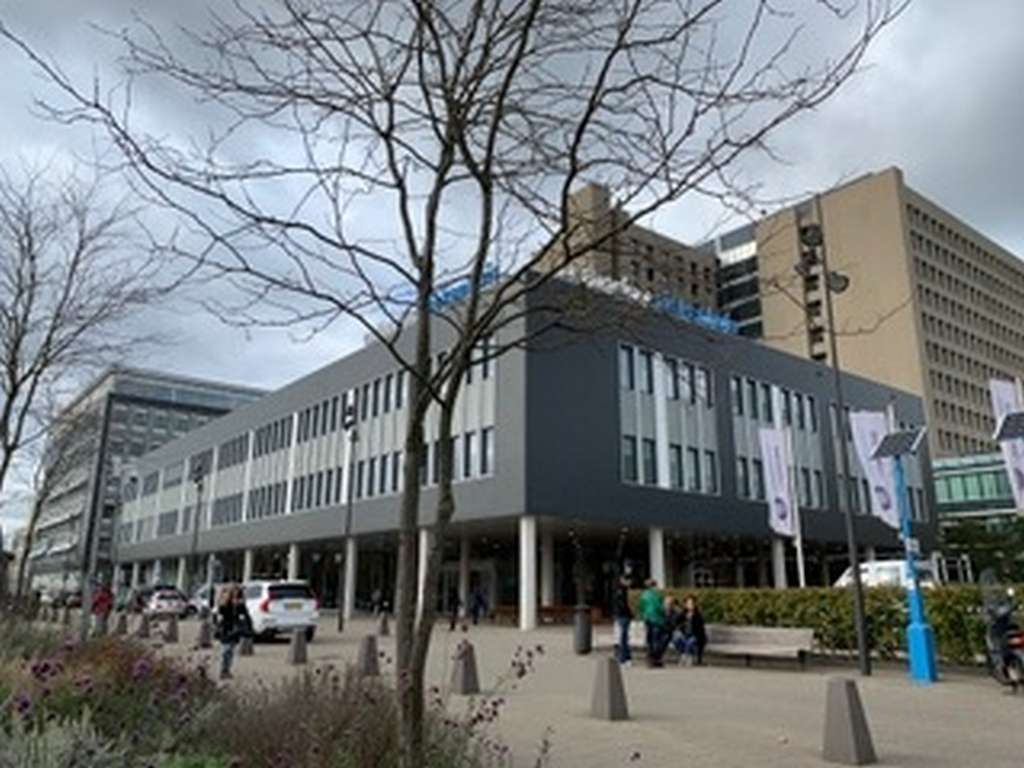
ZAGA Center Eindhoven is housed in the maxillofacial surgery unit of Catharina Hospital, a modern hospital known for surgical innovation and patient safety. The unit treats severe maxillary atrophy with zygomatic and pterygoid implants, offers full-mouth rehabilitation planned digitally, and also performs surgery for obstructive sleep apnoea and salivary gland disease. Surgeons, implant specialists and prosthodontists work as one team, and the team takes part in the ZAGA network’s training and research.
Patients are guided through the decision and the treatment, and followed afterwards.